Ideal Weight Calculator

Calculate Your Ideal Body Weight Range Using Clinically Validated Formulas.

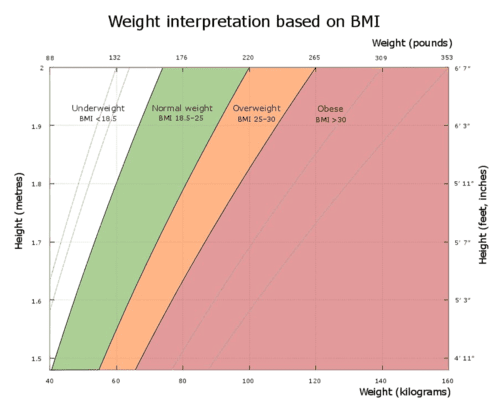
Estimate your ideal body weight using well-known formulas and healthy BMI range (18.5–24.9).

Your Estimated Ideal Weight

FormulaWeight
Devine (1974)-
Robinson (1983)-
Miller (1983)-
Hamwi (1964)-
Healthy BMI range (18.5–24.9)-

These values are estimates only. The BMI range 18.5–24.9 is currently considered the most evidence-based healthy weight zone for most adults. Always consult a healthcare professional for personalized advice.

Was this calculator helpful?

4.7/5 (19 votes)

Calculation Examples

Calculation Case Result
Height 170 cm (Devine Formula) Male: 66.4 kg / Female: 61.3 kg
Height 185 cm (Robinson Formula) Male: 79.2 kg / Female: 73.8 kg
Height 160 cm (Hamwi Formula) Male: 57.2 kg / Female: 52.6 kg

How to Calculate Ideal Body Weight?

To get your personalized result, enter your Age, Gender, and Height. Our tool calculates your ideal weight using four primary medical formulas: Hamwi, Devine, Miller, and Robinson. These algorithms provide a target weight range widely used by clinicians for medication dosing, nutritional planning, and health benchmarking.

Select your preferred units (metric or imperial) for an instant assessment.
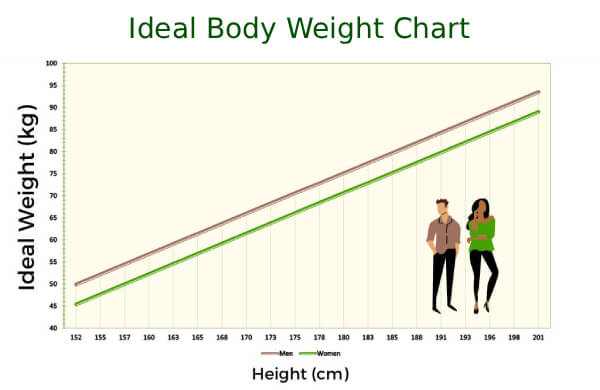
Ideal Body Weight Chart

The Science Behind IBW Formulas

All four IBW formulas were developed between the 1960s and 1980s primarily for pharmaceutical dosing, not aesthetic targets. They account for height and sex, but not body composition, muscle mass, or activity level. A bodybuilder and a sedentary individual of the same height will receive the same IBW estimate, which illustrates why these figures serve as clinical reference points rather than personal fitness goals. Frame size (assessed via wrist circumference) can meaningfully shift the practical target by up to 10% in either direction. This calculator provides a medically informed estimate; for a complete picture, pair it with a body fat percentage assessment or consult a registered dietitian.Ideal Weight Chart
Useful Tips 💡

  • Measure your wrist circumference to determine frame size (small, medium, or large) and adjust your result by roughly plus or minus 10%.
  • Focus on the weight range rather than any single number, as all four formulas intentionally produce slightly different estimates to reflect biological variability.

📋Steps to Calculate

  1. Enter your age, gender, and height.

  2. Select units (kg/cm or lbs/inches).

  3. Click "Calculate" to view your ideal weight range across all four formulas.

Mistakes to Avoid ⚠️

  1. Treating IBW as a strict goal for athletes or highly muscular individuals, since muscle tissue is significantly denser than fat and will push actual weight above the formula estimate.
  2. Ignoring frame size entirely. A person with a large skeletal frame naturally carries more lean mass and will have a higher healthy weight than the unadjusted formula suggests.
  3. Applying standard IBW formulas to individuals below 152 cm (5 ft) or above 198 cm (6.5 ft), where the linear height-based models lose meaningful precision.

Practical Applications📊

  1. Set realistic weight goals grounded in height, gender, and frame size rather than generic charts.

  2. Use alongside our BMI Calculator to get a fuller picture of your current health status.

  3. Track meaningful progress over time by logging height and weight updates regularly.

Questions and Answers

What does an ideal weight calculator do?

An ideal body weight (IBW) calculator estimates the clinically healthy weight range for a given height and sex using validated medical formulas. Rather than producing a single number, it outputs a range derived from multiple models (Hamwi, Devine, Robinson, and Miller), giving you a realistic target band. This range is the same reference clinicians use when calculating drug dosages based on body weight, making it a meaningful starting point for health assessment rather than a cosmetic target.

How do I determine my ideal weight based on height?

Enter your height and sex into the calculator. The Hamwi formula, one of the oldest and most widely cited, gives 48 kg for a 5 ft tall male plus 2.7 kg for every inch above that, and 45.5 kg for a 5 ft tall female plus 2.2 kg per additional inch. The Devine formula uses a similar structure: 50 kg plus 2.3 kg per inch over 5 ft for men, and 45.5 kg plus 2.3 kg per inch for women. Comparing results across all four formulas gives you a realistic target range rather than a single potentially misleading number.

What is a healthy weight for men and women?

Healthy weight is not a fixed value but a range influenced by height, sex, age, and frame size. As a general clinical reference, Devine's formula places a 175 cm (5 ft 9 in) man at approximately 72 kg and a woman of the same height at approximately 65 kg. However, a person with a large skeletal frame may be healthiest 5 to 10% above that estimate, while someone with a small frame may sit below it. Always interpret IBW alongside BMI, waist circumference, and ideally body composition data.

Does age affect ideal body weight calculations?

Most foundational IBW formulas (Hamwi, Devine, Robinson, Miller) were designed without an age variable, as they were created for adult pharmaceutical dosing. In practice, body composition shifts with age: lean muscle mass typically declines after the mid-30s (a process called sarcopenia), meaning older adults may register a healthy weight at a slightly lower absolute scale number while carrying a proportionally higher fat mass. Entering your age allows the calculator to flag these nuances and, where applicable, apply age-adjusted interpretations.

What formulas does the Ideal Weight Calculator use?

The calculator applies four peer-reviewed formulas. The Hamwi formula (1964) uses 48 kg plus 2.7 kg per inch over 5 ft for men, and 45.5 kg plus 2.2 kg per inch for women. The Devine formula (1974) uses 50 kg plus 2.3 kg per inch over 5 ft for men, and 45.5 kg plus 2.3 kg for women. The Robinson formula (1983) and Miller formula (1983) follow similar height-based linear models with slightly different base values and increments. Presenting all four results simultaneously lets you identify the consensus range rather than relying on any single estimate.

Which IBW formula is most accurate?

No single formula is universally superior, as all were validated on specific population samples from several decades ago. The Devine formula is the most widely used in clinical pharmacology for weight-based drug dosing. The Hamwi formula remains common in dietetics and nutritional counseling. For the average adult of median height (roughly 160 to 185 cm), all four formulas produce results within 2 to 4 kg of each other. The practical answer is to treat their combined output as a range rather than selecting one formula as definitive.

Can the Ideal Weight Calculator guide my fitness goals?

Yes, with an important caveat. IBW formulas provide a general health anchor, not a body-composition target. If your goal is fat loss, use the IBW range alongside a body fat percentage calculator to understand where your current composition sits. If your goal is muscle gain, expect your optimal performance weight to exceed your IBW, sometimes substantially. Pairing this calculator with our BMI and Caloric Intake tools gives you a more complete framework. For personalized programming, consult a certified personal trainer or registered dietitian.

Does body frame size affect my ideal weight estimate?

Yes, and this is one of the most commonly overlooked adjustments. Standard IBW formulas assume a medium skeletal frame. Measure your wrist circumference to determine your frame: for women, under 14 cm indicates a small frame, 14 to 14.6 cm medium, and over 14.6 cm large (values differ slightly for men and by height). A small-framed individual should target the lower end of their IBW range, while a large-framed individual may be healthiest 10% above the unadjusted formula result. When in doubt, a DEXA scan or consultation with a healthcare professional provides the most accurate body composition baseline.
Disclaimer: This calculator is designed to provide helpful estimates for informational purposes. While we strive for accuracy, financial (or medical) results can vary based on local laws and individual circumstances. We recommend consulting with a professional advisor for critical decisions.