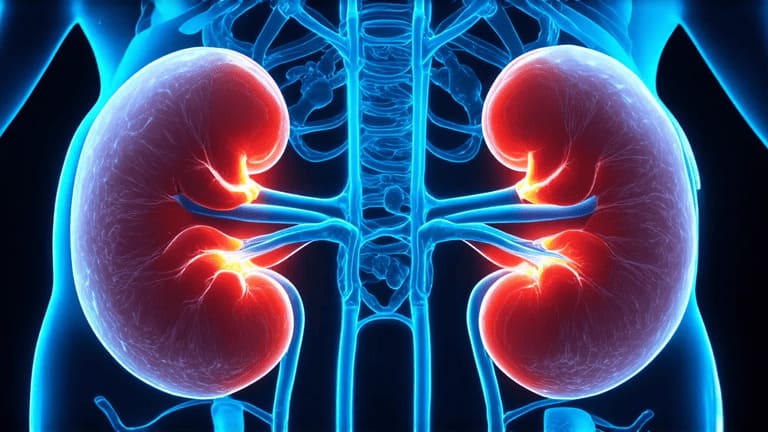
This is now the marker doctors and patients use around the world to evaluate how effectively the kidneys filter waste products from the blood.
What eGFR Actually Measures
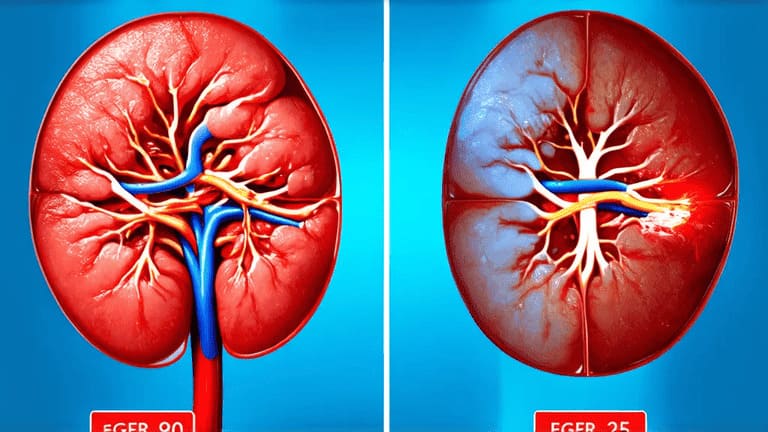
eGFR provides an estimate of the amount (in milliliters) of blood the kidneys clear of creatinine each minute. Healthy, young adults tend to have value eGFR of greater than 90 mL/min/1.73m². When eGFR is less than 60 for three months or greater, this diagnosis indicates chronic kidney disease (CKD), even in the absence of other symptoms.
The eGFR calculation includes serum creatinine, age, sex, and race (or exclude race in newer equations), which is standard in laboratories. In fact, by the time a physician orders a creatinine test, the laboratory has automatically calculated and reported eGFR with every sample as part of the overall creatinine test and with minimal effort.
Most Common eGFR Formulas Explained
- The CKD-EPI equation (2021 version without race coefficient) is the most widely used form in many countries now.
- The MDRD formula is still commonly used but is slightly underestimated for individuals at higher levels.
- The Cockcroft-Gault equation is a better choice for adjusting the medication dose.
- The Schwartz formula is what is used for children under eighteen years of age.
- The FAS equation is becoming more popular because of its accuracy across all age groups.
- The EKFC equation is nice because it provides a singular equation and can be usedfrom childhood through old age.
- Lastly, any american medical guideline is going to recommend CKD-EPI 2021 equation when initial screening the eGFR value with adults.
Chronic Kidney Disease Stages by eGFR
Kidney disease staging depends solely on eGFR numbers plus albuminuria:
- Stage 1: eGFR ≥90 with evidence of kidney damage (protein in urine)
- Stage 2: eGFR 60-89 with evidence of damage.
- Stage 3a: eGFR 45-59
- Stage 3b: eGFR 30-44
- Stage 4: eGFR 15-29
- Stage 5: eGFR < 15 or dialysis.
The earlier stages often resolve with lifestyle changes and blood pressure management, whereas the later stages need a care team and careful planning for dialysis or transplant.
Factors That Temporarily Affect eGFR Results
- Daily habits and health states can shift eGFR by 10 to 20 points:
- A high meat diet preceding the test raises creatinine levels
- Vigorous activity within 24 to 48 hours also raises eGFR
- Dehydration affects eGFR temporarily
- Some medications (NSAIDs and some antibiotics) lower eGFR through decreased filtration
- An acute illness or infection can lead to a significant drop in eGFR
Doctors look at abrupt changes in context, rather than as a permanent decline in kidney disease.
When and How Often To Test?
It makes sense to screen if you have diabetes, hypertension, family history of kidney disease or are age 60 or older. Healthy people and people without risk factors rarely need routine screening for eGFR. Our health calculators section includes dozens of evidence-based screening tools not only for kidney risk assessment, but also risk assessments for other health conditions.
Correct Use of an Online eGFR Calculator
For an accurate calculation of kidney function at home, a current creatinine value is required from recent lab work. Our eGFR calculator uses the most recent CKD-EPI 2021 equation, shows results immediately, with stage categorization, and plain language explanation.
Results from online tools will help patients prepare more informed questions for doctors but will never replace professional medical advice.
Long-Term Health of Kidney Function
Here are simple evidence-based behaviors that will slow or prevent decline in most people:
- Keep blood pressure less than 130/80
- Control blood sugar if diabetic
- Maintain weight in the normal range
- Don't smoke or drink too much alcohol
- Limit the use of over-the-counter pain medications
- Drink plain water to stay well-hydrated
- Eat protein in moderation and reduce salt
eGFR should be calculated regularly along with all the above to see problems years before you begin to have symptoms alone.
Detecting early is still the single most significant factor for health outcome in individuals with kidney disease. A simple blood test and a simple eGFR calculation can result in decades of a healthy life, if executed responsibly and quickly.